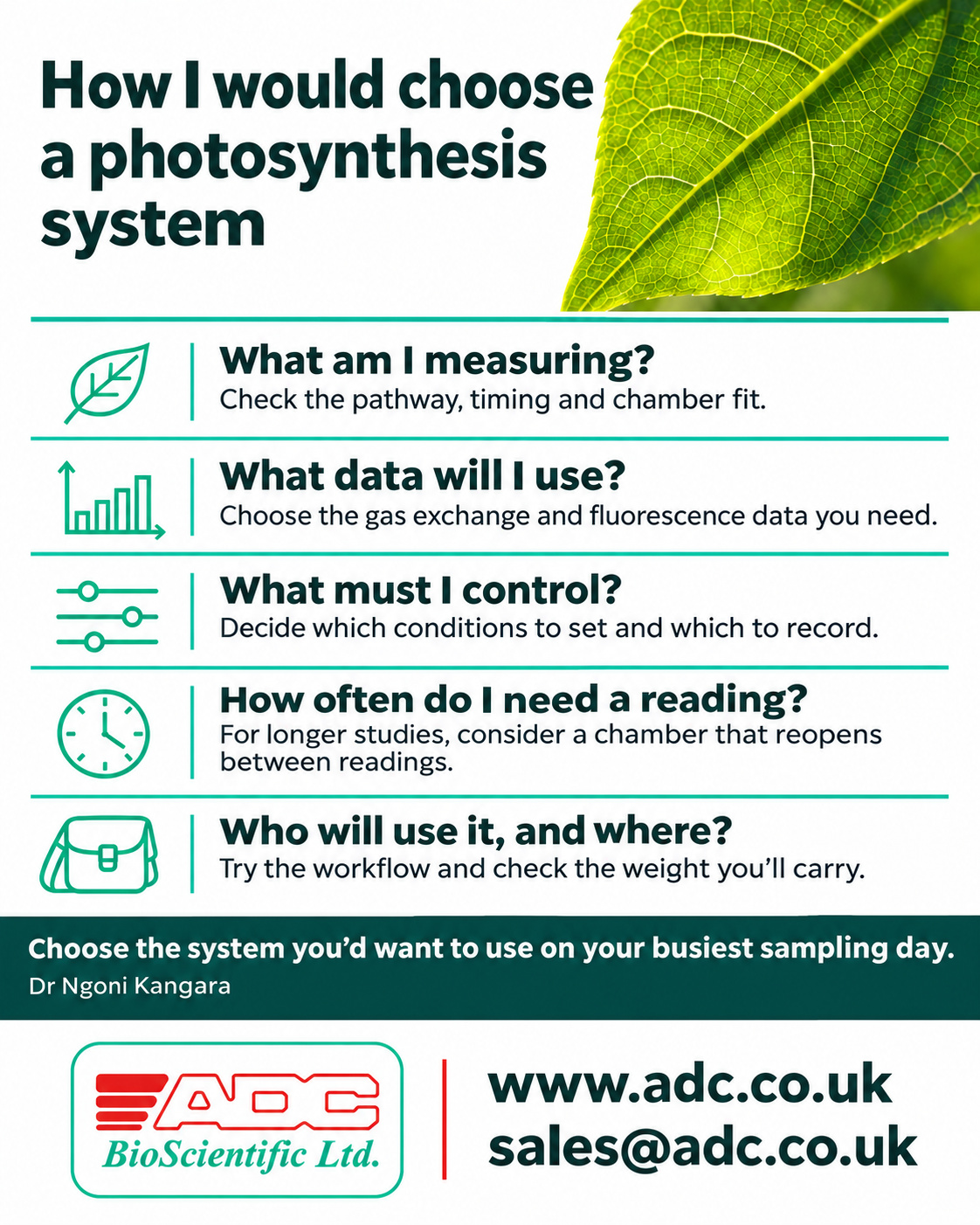
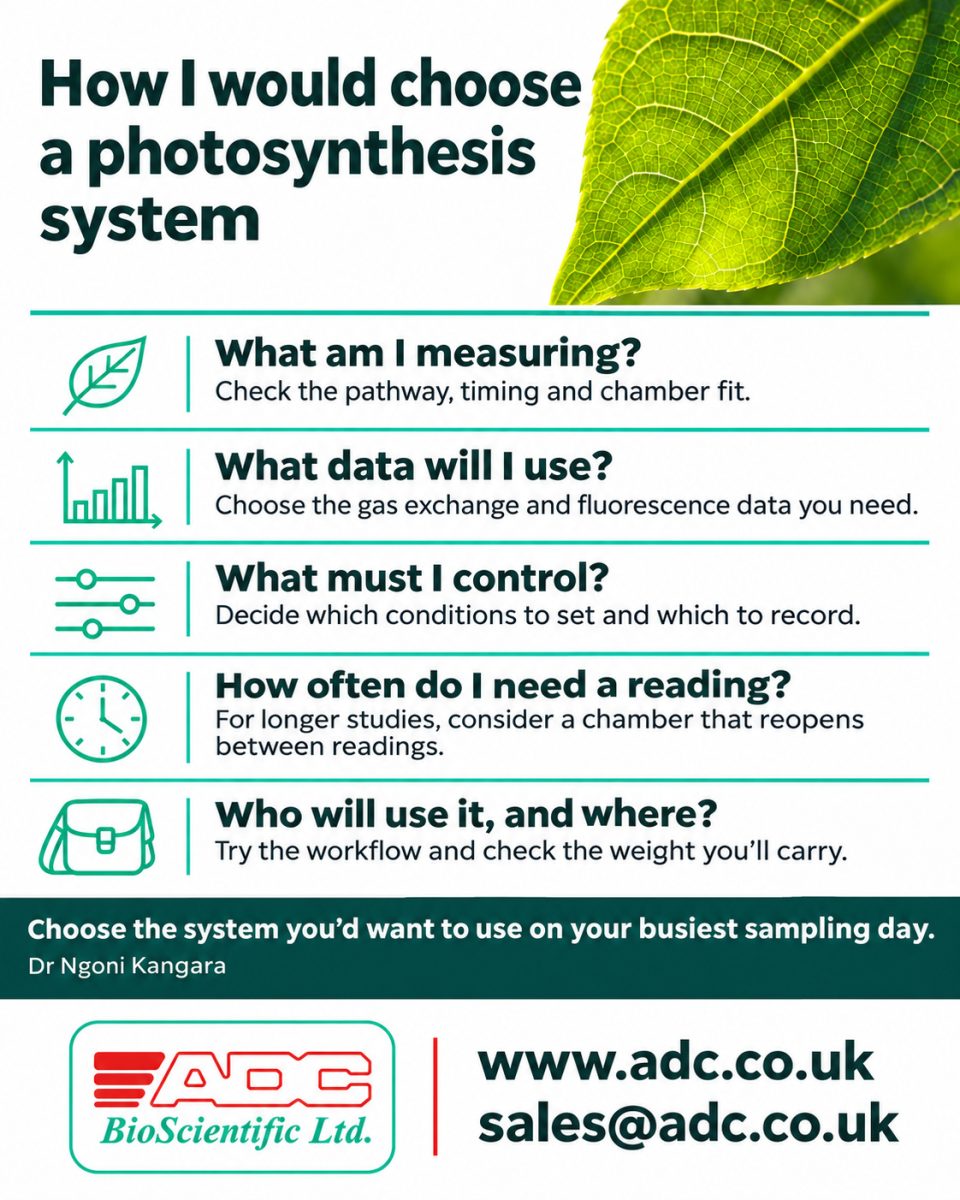
How I would choose a photosynthesis system
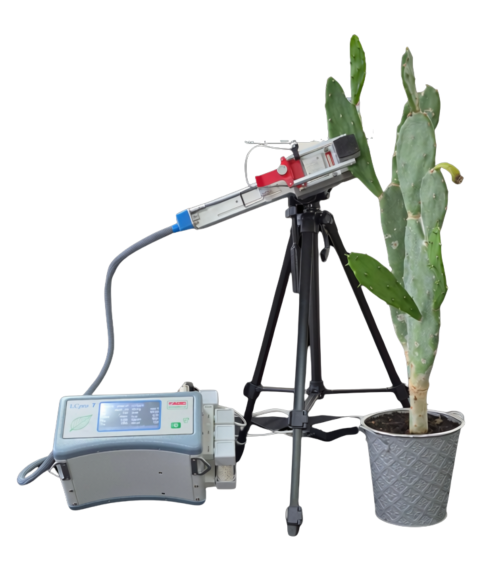
One of the more interesting queries we received at ADC from a customer was regarding negative intercellular CO2 readings. The instrument was in no way at fault. They were measuring a CAM plant in the middle of the day! So before you start fiddling with your instrument settings you need to know what photosynthetic pathway you’re actually looking at. That’s where I’d start if I were setting up my own experiment. What are you measuring and when is it actually relevant to measure it? We’ve just designed a cactus chamber to work with our photosynthesis systems. You still have to take your measurements between 1 am and 5 am though!
1. What plants am I working with?
I always start with the species, its photosynthetic pathway and what part of the plant we’re measuring. Take the cactus (a CAM plant) as an example. If you’re measuring during the day you’ll completely miss the bulk of the CO2 uptake as that occurs at night. If your stomatal conductance is very low you need to be careful about how you interpret your calculated intercellular carbon dioxide, particularly if you end up with a negative value. If you’re interested in the diurnal variation in carbon uptake then you want to take your measurements both in the light and in the dark.
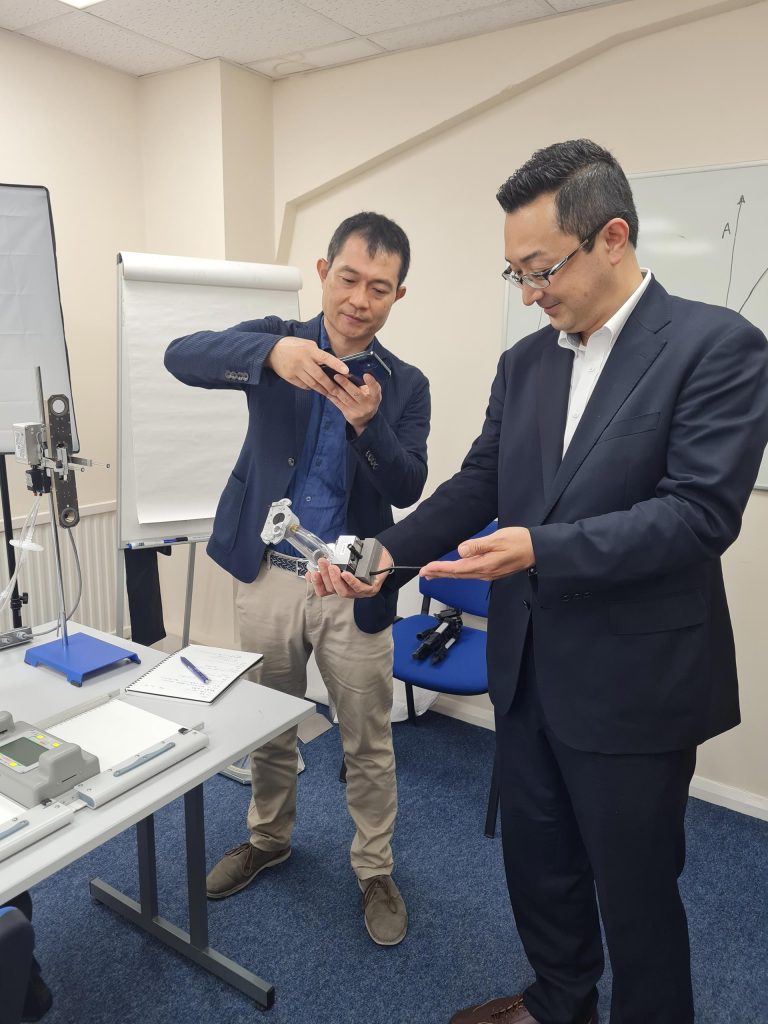
Next, I would bring a sample to the instrument. A chamber that fits well around a broad leaf might be tricky to use on a narrow grass blade, a pine needle, a stem, or a thick cactus pad. We’ve added stem and cactus chambers at ADC to expand gas exchange studies on various plant parts and even soil. Can you get a good seal without harming the tissue? Can you accurately tell how much of the sample is inside the chamber?
2. What data will I actually be using?
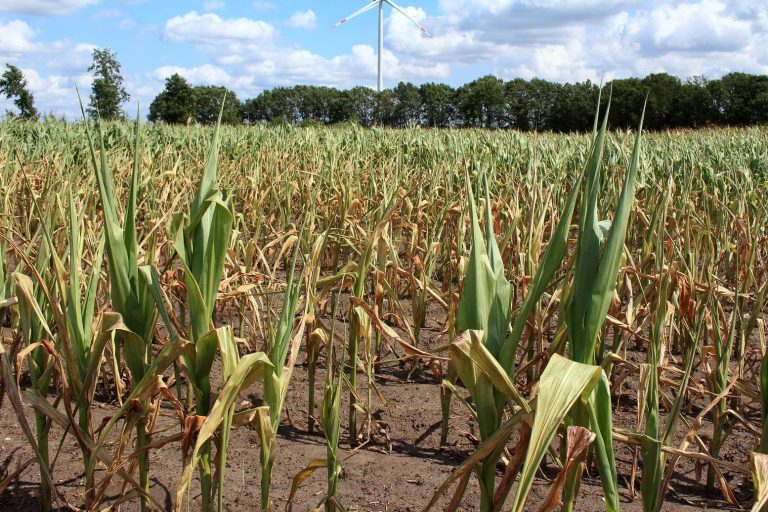
If I want to see how two crop varieties respond to a dry spell, I might need net carbon dioxide assimilation (A), stomatal conductance (gs), transpiration (E), and calculated intercellular CO2 (Ci). I would consider how each parameter helps me understand the experiment. If I also want to see how PSII responds as assimilation drops, I would collect gas exchange and chlorophyll fluorescence data simultaneously on the same leaf area. This choice depends on the research question, since it affects both the data collected and the time required. Usually, more features can mean higher costs (and weight!) to buy and maintain. Only choose features you really need.
3. What environmental conditions do I need to control?
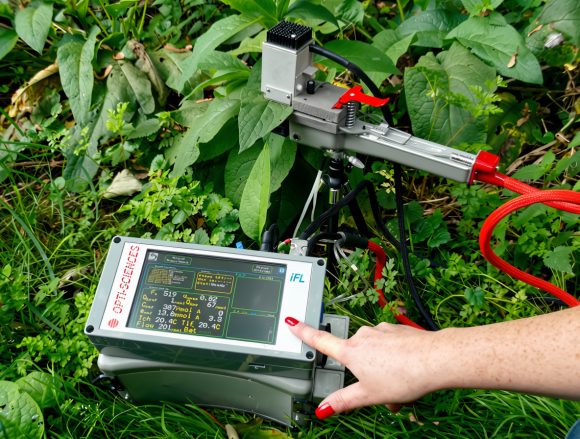
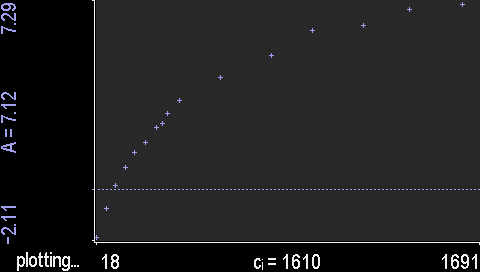
If I’m only observing leaves in their natural field conditions, a simple and inexpensive setup is enough. I can still use a light source if I need to run light response curves. If the protocol calls for a A-Ci curves or I need to keep the leaf chamber temperature steady while comparing treatments, I would look for the right climate control. I also note which variables I need to set, which ones I just need to record, and the ranges I expect to work with.
4. Am I taking a series of snapshots or am I following the same leaves over time?
When moving through field plots, I use a handheld system, let the readings stabilise, then record and move to the next leaf.
If I’m tracking the same leaf for several hours in a greenhouse or growth room, I consider what happens to the leaf while it’s in the chamber. The temperature and humidity around the leaf can change the longer it stays inside. For these experiments, it’s helpful to use automated measurements, where chambers close in turn to take a reading and then reopen between readings. This lets the leaf return to its environment and reduces microclimate effects that are caused by prolonged leaf clamping

5. Who will be using it and what will a day of measurements look like?
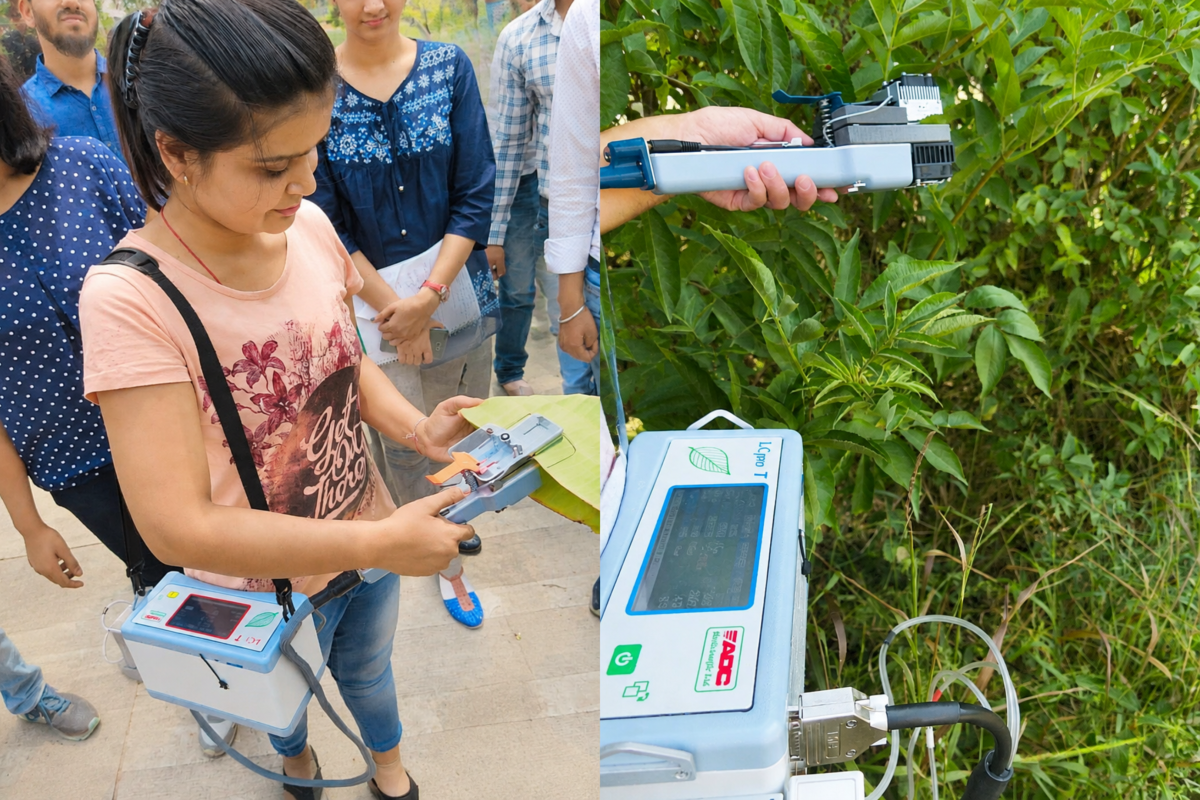
n a lab where both postdocs and undergrads use the same instrument, I ask new users to do a standard measurement and export the data. How much training would they need before working independently? How easy is it for two people to follow the same protocol? Instruments should be reliable and simple to use.
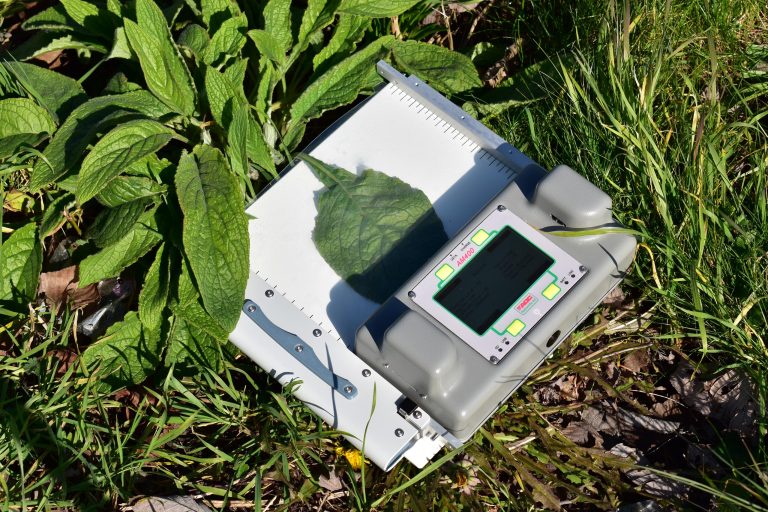
Extra features add cost (sometimes weight!) and can make routine measurements harder to teach. In the field, I also consider what I have to carry between plots. The LCi-T weighs 3.5 kg, and the LCpro-T is 5.2 kg including the chamber and other accessories. I think about that weight over a full day of sampling.
Choose the system you’d like to use on your busiest sampling day.
If you’re looking for a system, let me know what you’re growing, what you want to measure, and how often you need a reading. I’m interested in which of these is most important for your decision.
Let me know what other factors you consider when you choose a system for your use.
You can reach us at sales@adc.co.uk, www.adc.co.uk
Dr Ngoni Kangara